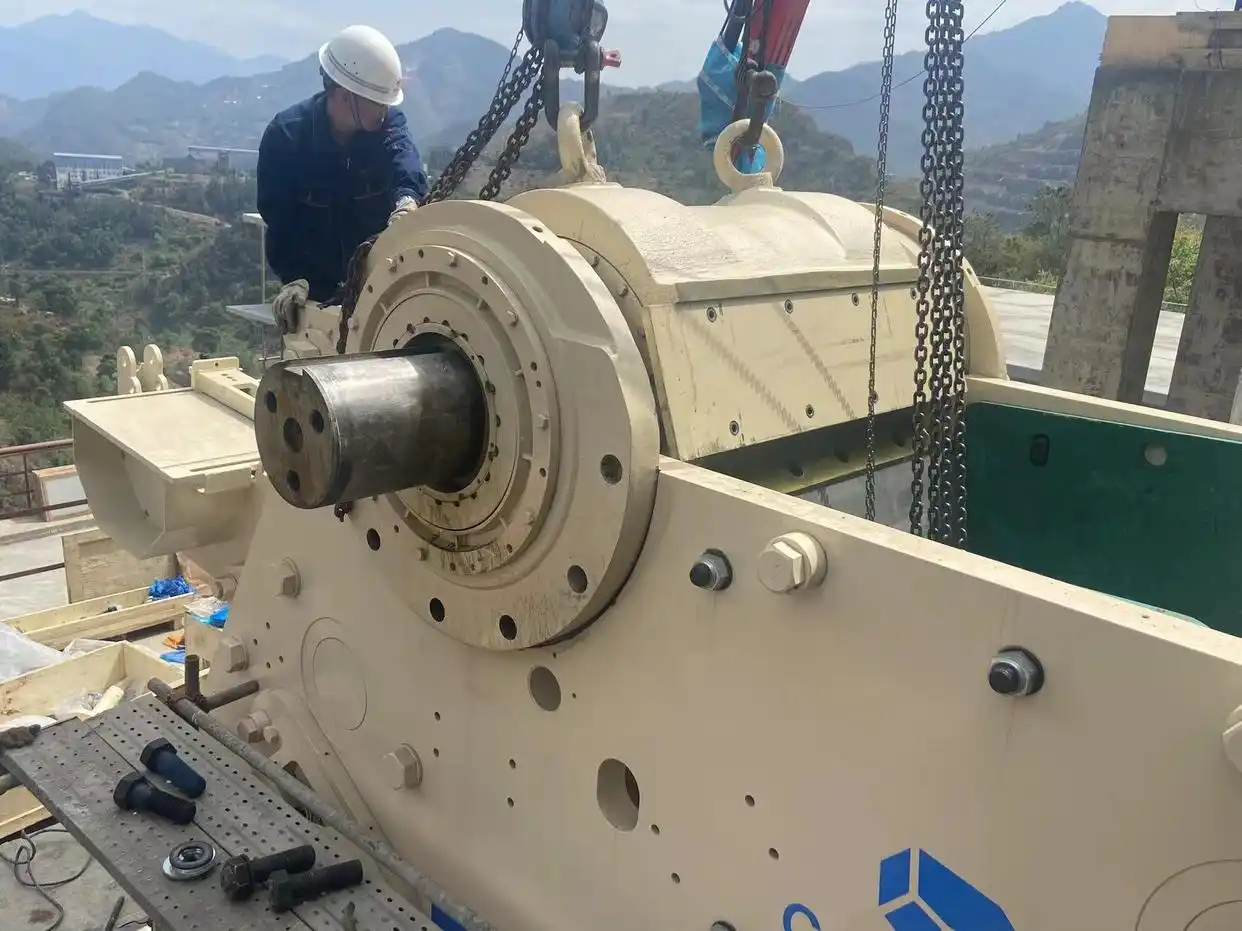
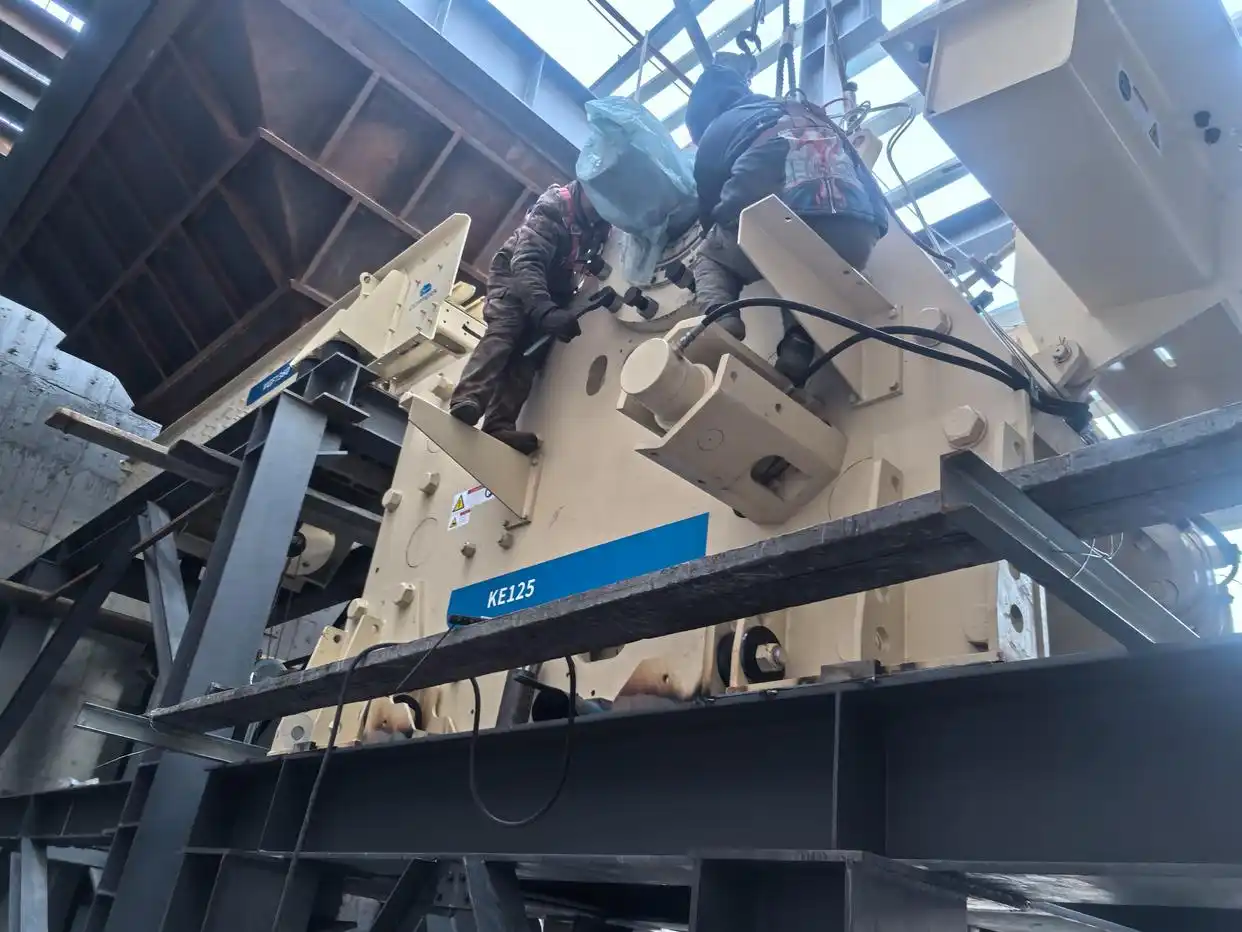
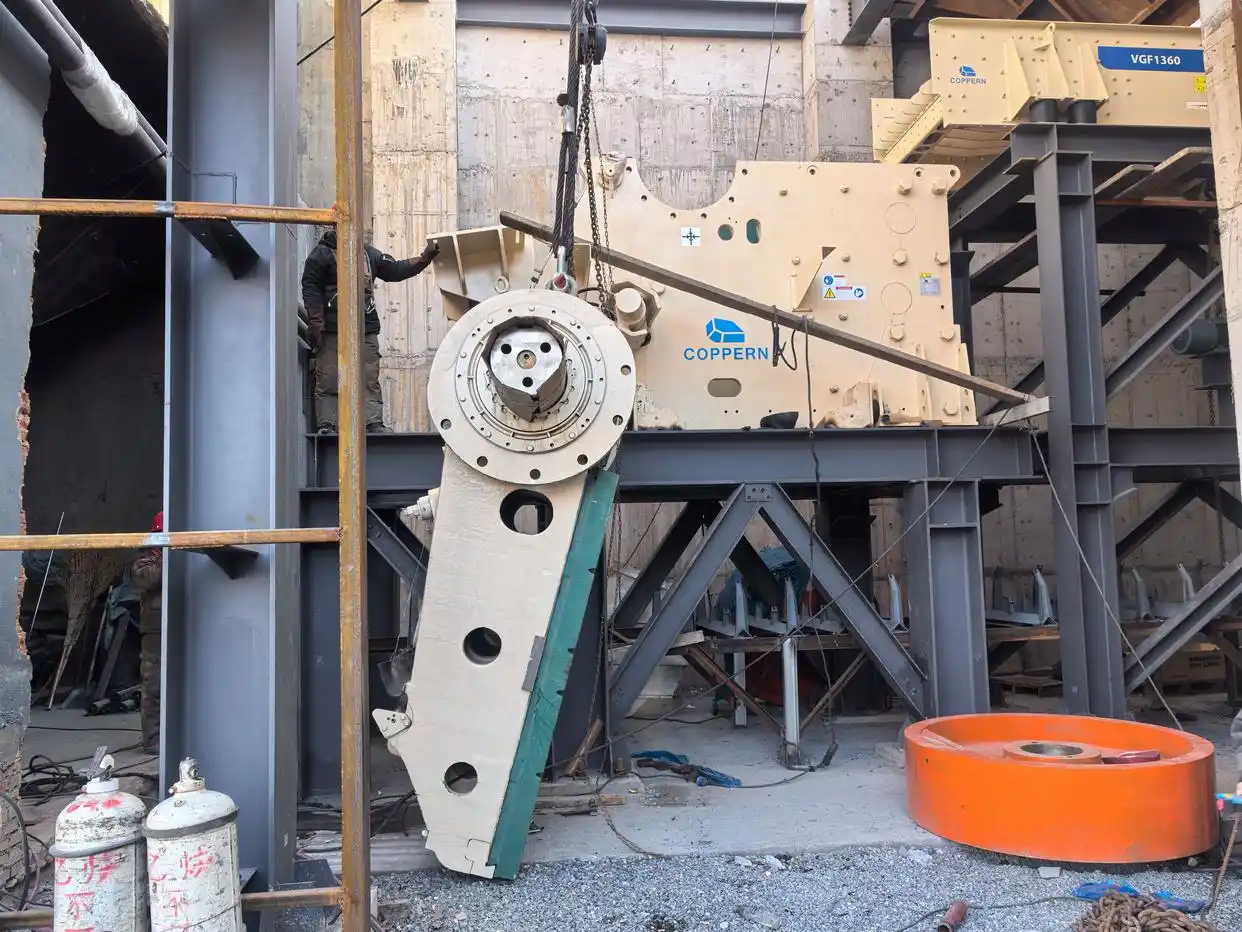
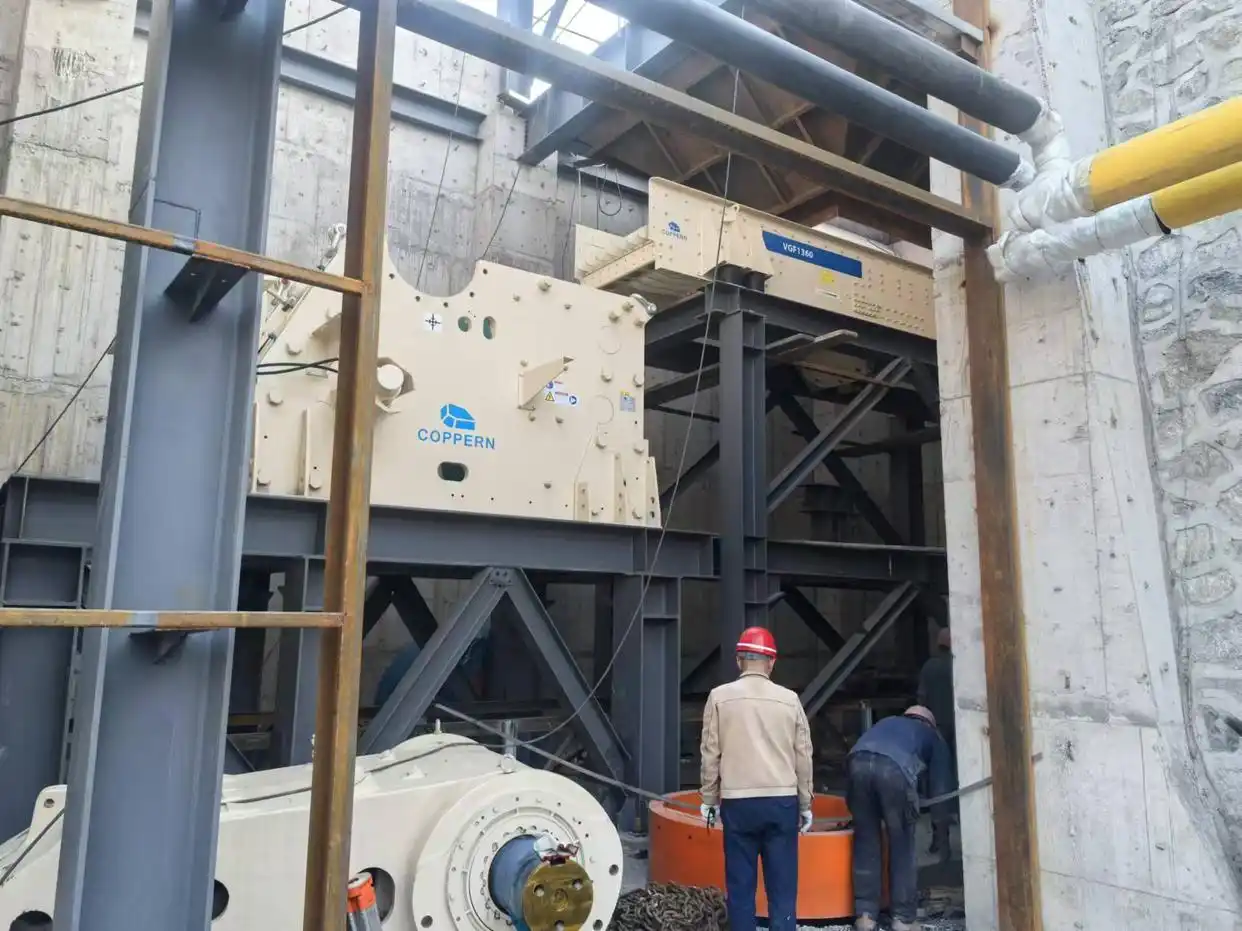
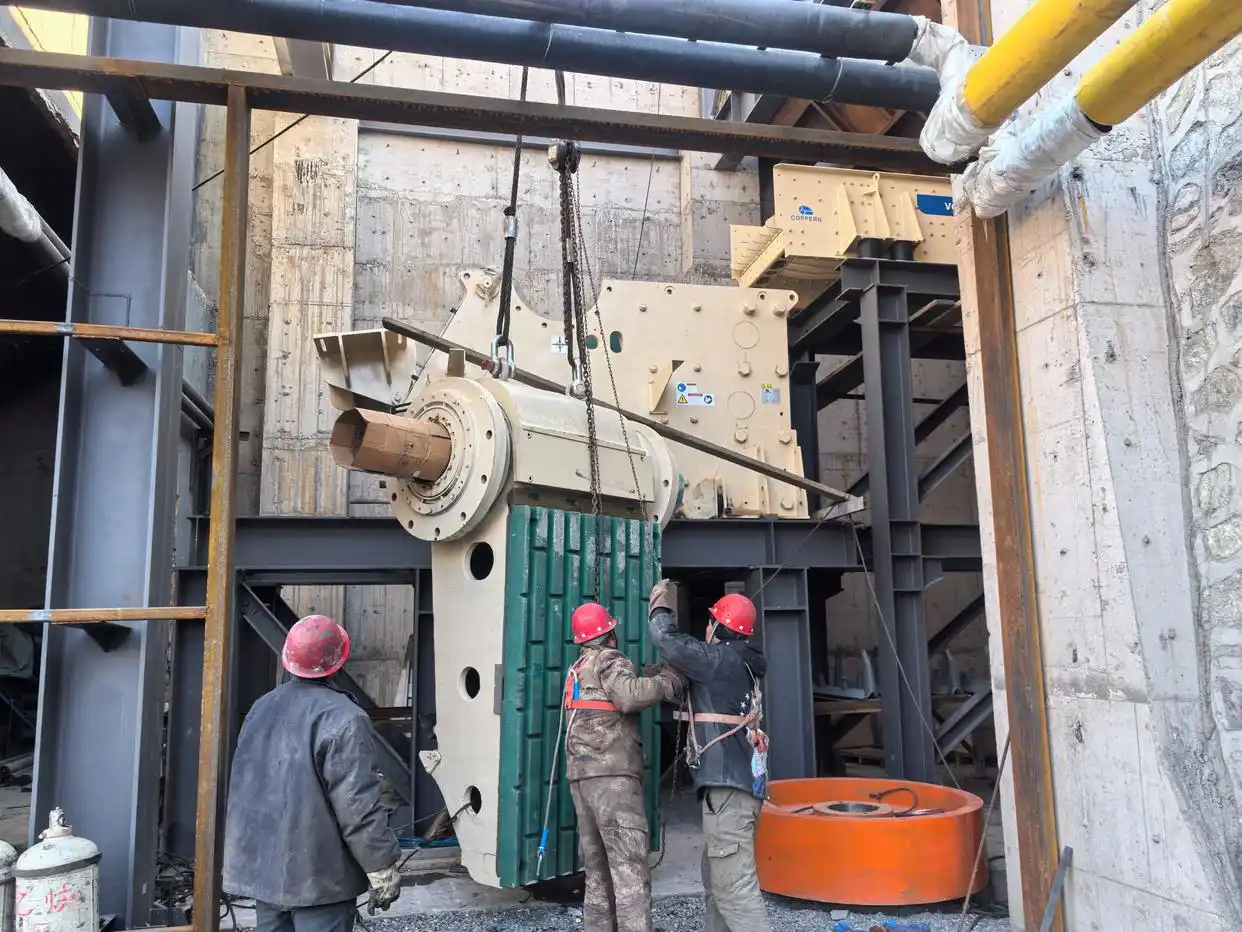
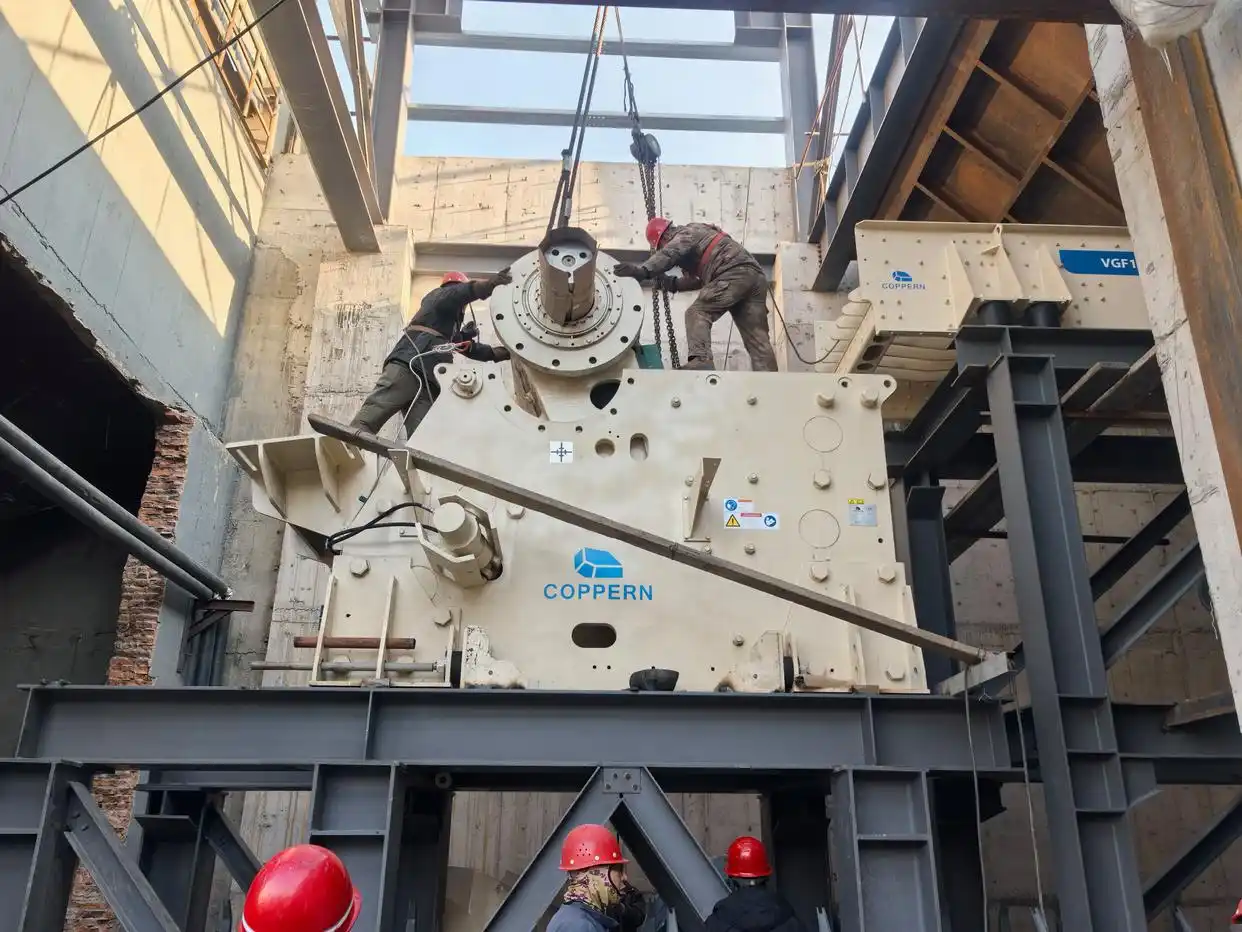
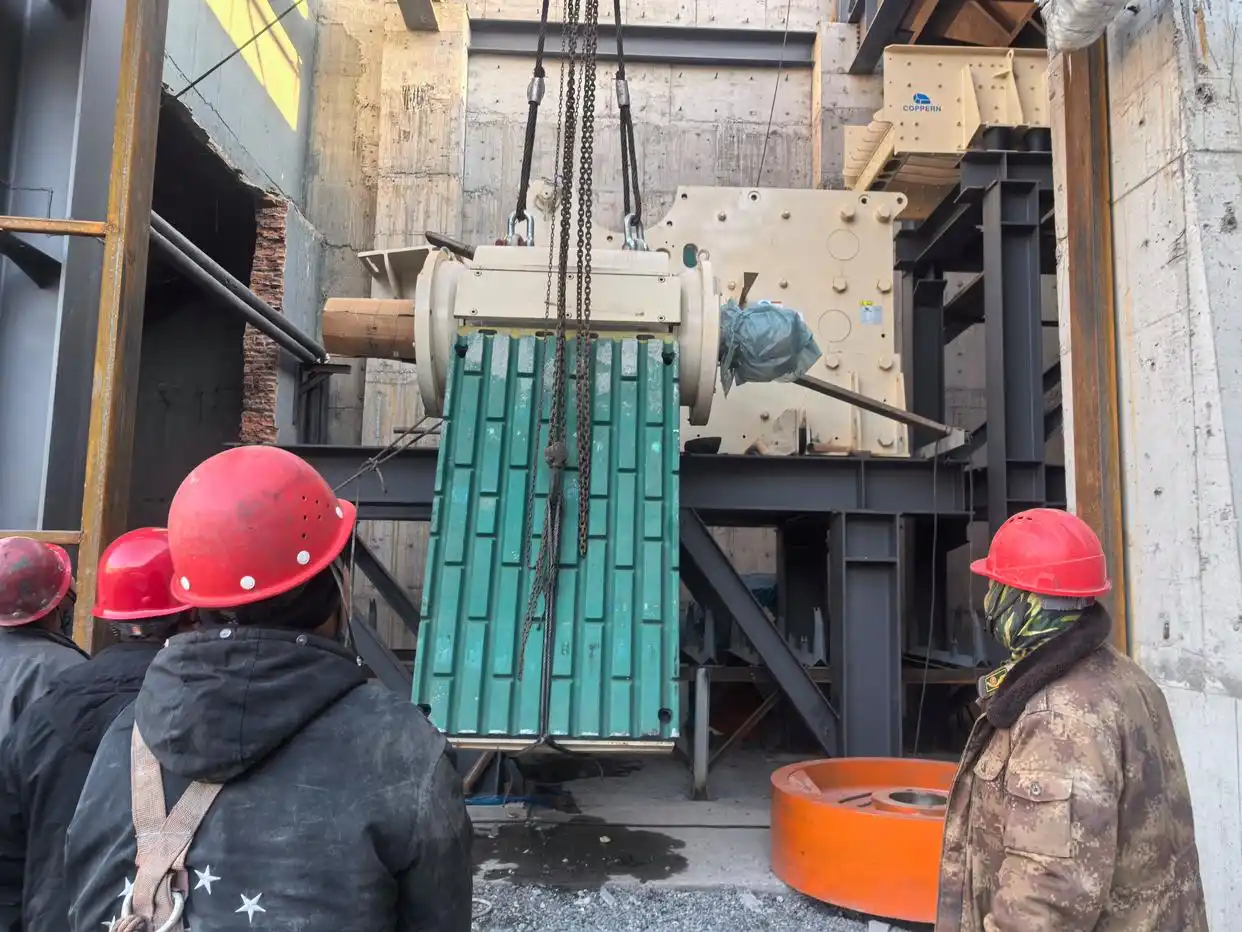
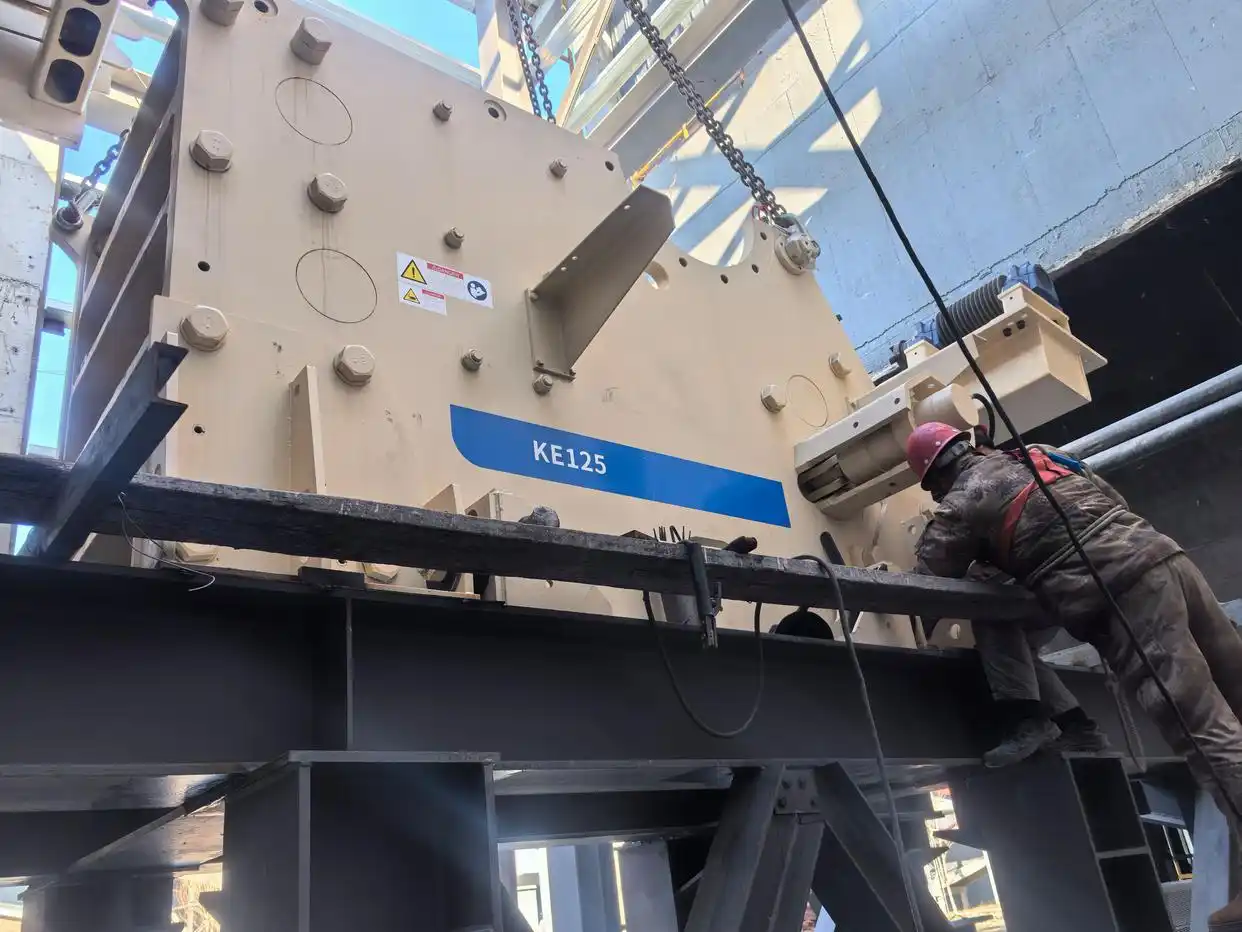
The crushing process flow refers to the process of breaking down large materials into the required particle size through mechanical force. It typically includes the following key steps:
- **Material Preparation:** First, the raw materials need preliminary screening and pretreatment to remove impurities and oversized pieces, ensuring the material meets the crusher's feed requirements. For example, materials with high moisture content (such as traditional Chinese medicine) need to be pre-dried to below 10% to avoid equipment blockage.
- **Coarse Crushing Stage:** The material undergoes preliminary crushing using a jaw crusher or hammer crusher, breaking down large pieces into medium-sized particles (typically 50-100mm). During this stage, the feed rate and crusher speed need to be controlled (800-1200rpm recommended) to avoid overloading the equipment.
- **Medium Crushing Stage:** The coarsely crushed material enters a cone crusher or impact crusher for further crushing to 10-30mm. At this point, the crushing chamber gap (typically 5-15mm) and discharge port size need to be adjusted to ensure uniform particle size.
- **Fine Crushing Stage:** The material is finely ground using an ultrafine pulverizer or ball mill to achieve a fine powder level (e.g., 80-300 mesh). During this stage, attention must be paid to airflow control (e.g., 32 m³/h) and motor power matching (e.g., 15-23 kW) to improve crushing efficiency.
- **Screening and Grading:** The crushed material is separated by particle size using a vibrating screen or air classifier. Unqualified particles are returned to the previous process for reprocessing. The screen mesh size must be selected according to the final product requirements (e.g., 100 mesh or 200 mesh).
- **Dust Removal and Packaging:** Dust generated during crushing is collected using a bag filter. Finished materials are packaged using an automatic packaging machine to ensure cleanliness and production efficiency.
Contact Us
Message Prompt: